
Private experience · Trapani Salt Pans
The salt pans on Trapani's doorstep
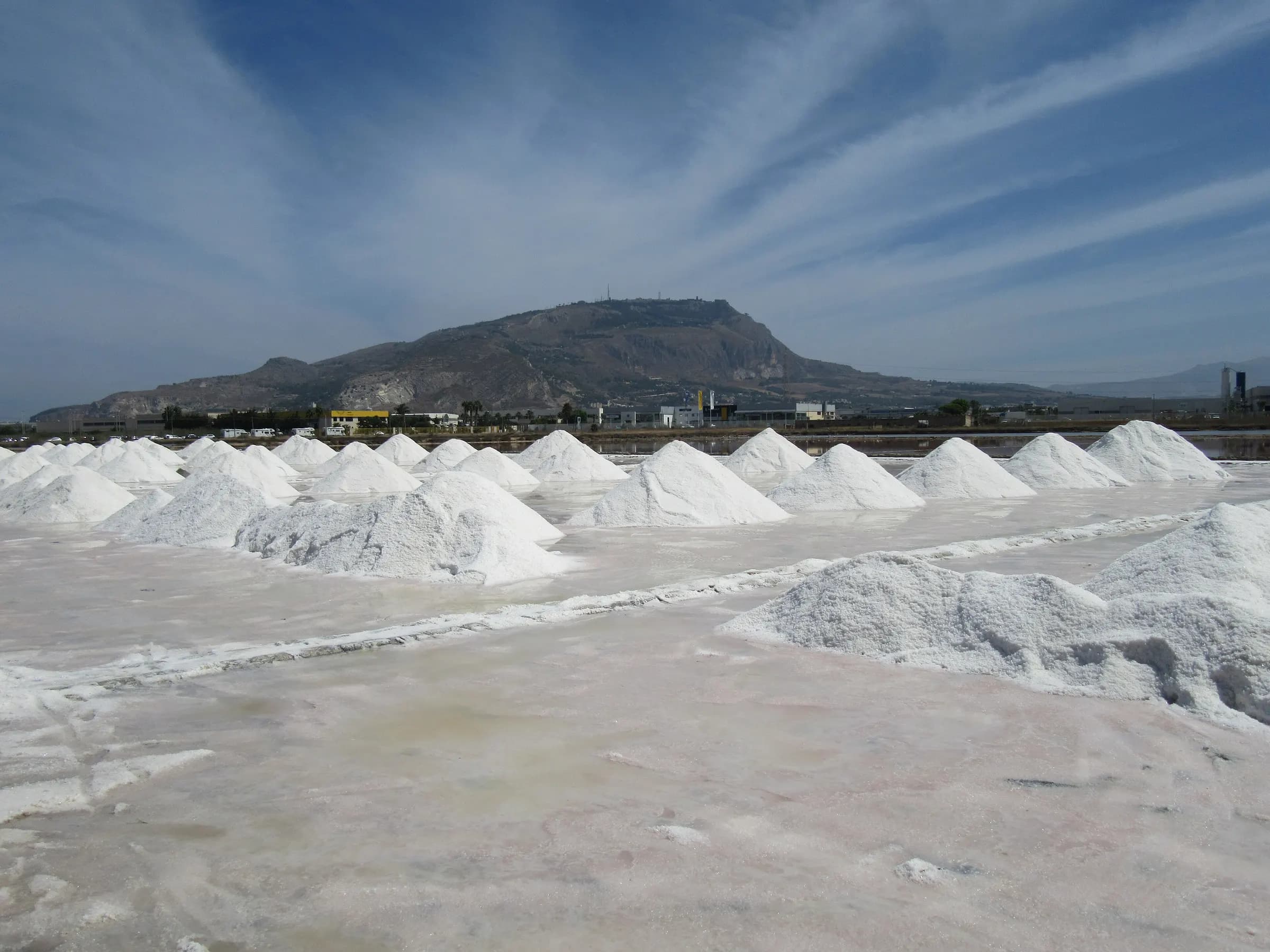
Just south of the city the coast flattens into a patchwork of shallow basins, windmills and white salt mounds, with Erice on its mountain behind. A working landscape and a nature reserve at once, a few minutes from the old town.
What the visit is like
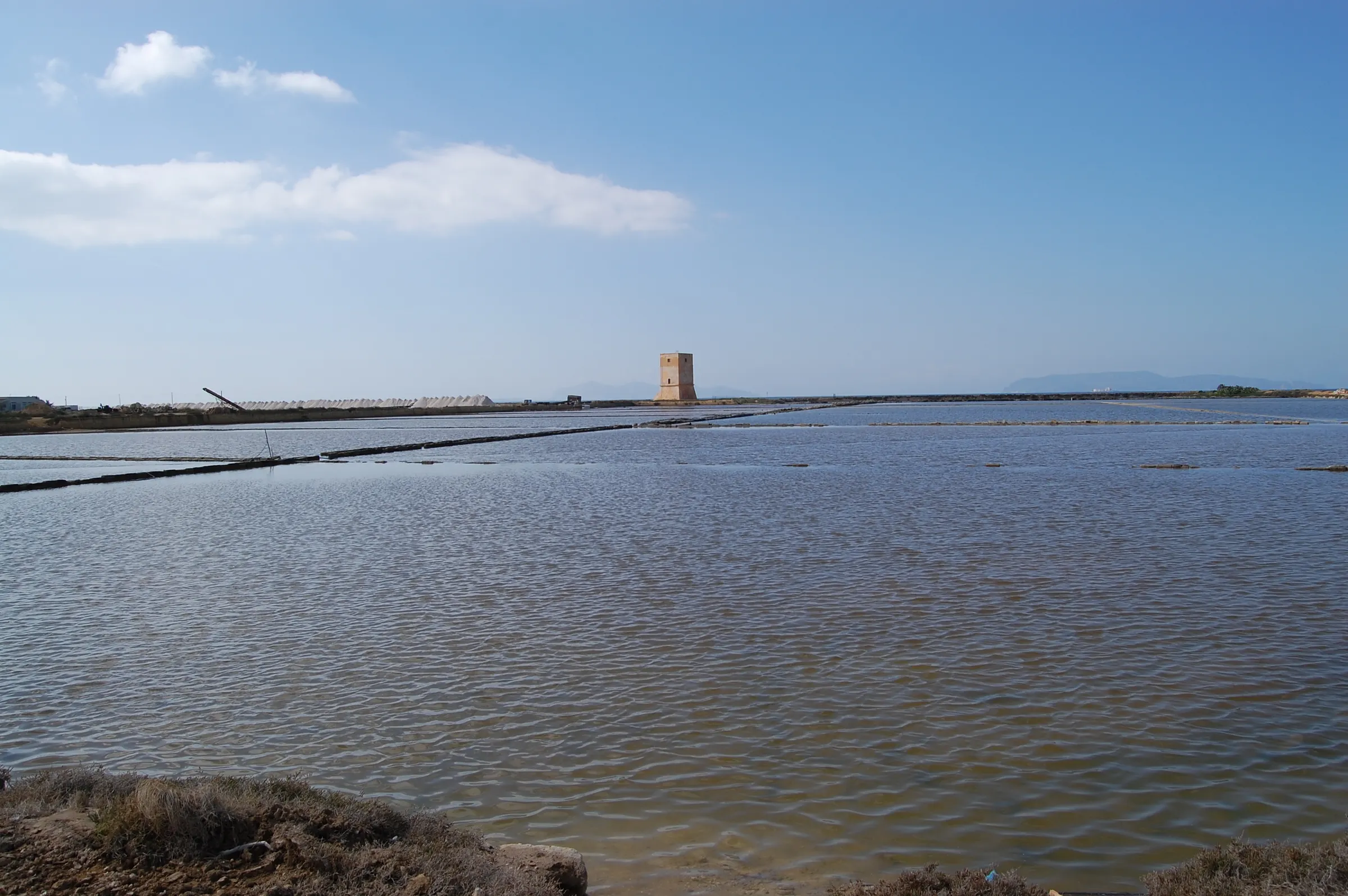
The salt pans begin where the city ends. South of Trapani, between the road to Marsala and the sea, the land is divided into shallow rectangular basins where seawater is let in, moved from pan to pan and left to evaporate until only salt remains.
Much of this stretch is protected as the Saline di Trapani e Paceco nature reserve, managed by WWF Italy. The same basins that produce salt are a feeding and resting place for wading birds, flamingos among them, depending on the season.
Windmills stand along the banks, from the time when wind pumped the water between the pans and ground the harvested salt. At Nubia, one of the old salt works houses a small museum of the trade, with the tools and machinery once used here.
How long you stay, and whether the day carries on to Erice or Segesta afterwards, is arranged with you beforehand.
Highlights
- Basins in every colour
- From pale green to pink, the water changes colour as the salt concentrates from one basin to the next.
- The windmills
- Old windmills along the banks, which once pumped seawater between the pans and ground the harvested salt.
- Salt mounds
- Long white heaps of salt along the banks, traditionally covered with terracotta tiles to protect them.
- Birdlife
- A protected wetland where flamingos and other wading birds can be seen, depending on the season.
- The Salt Museum at Nubia
- A small museum of the salt trade in an old salt works, with the tools and machinery once used in the pans.
- Erice on the skyline
- Mount Erice rises straight behind the pans, with the walled town on its summit.
Trapani salt pans
The salt pans, in pictures
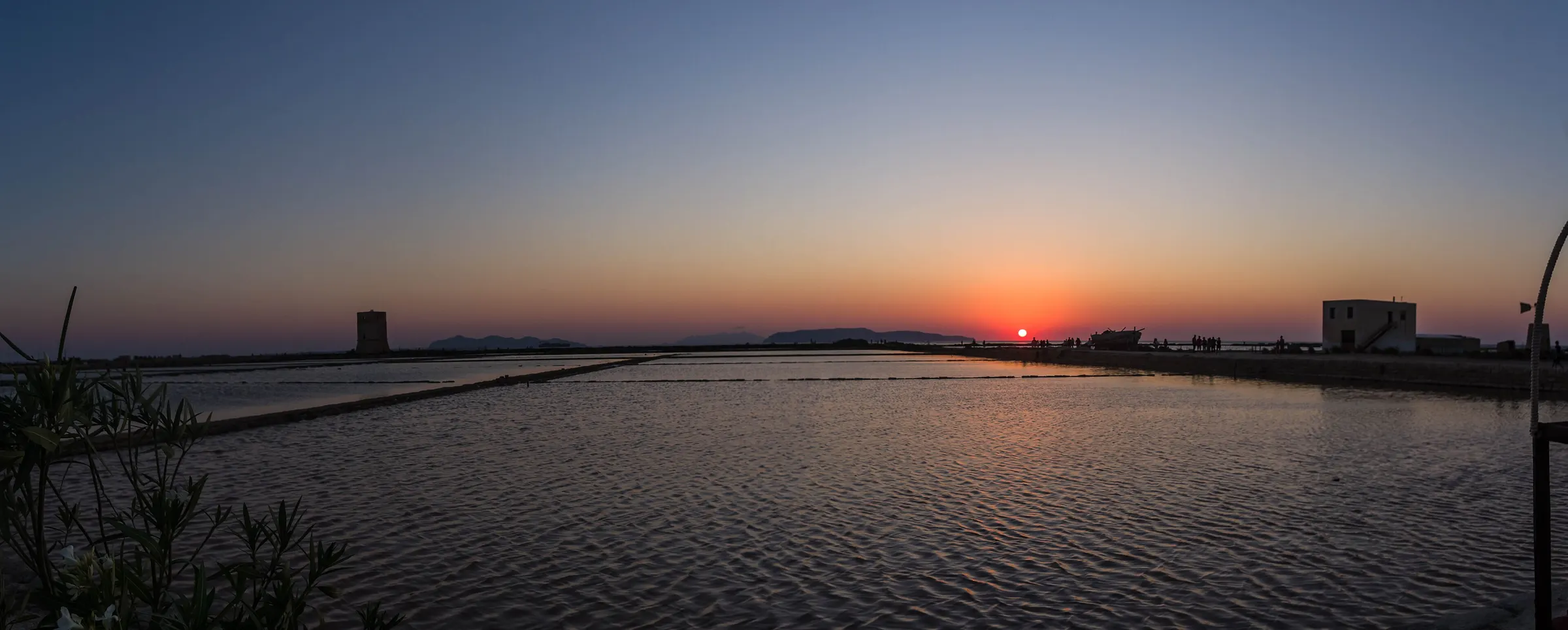
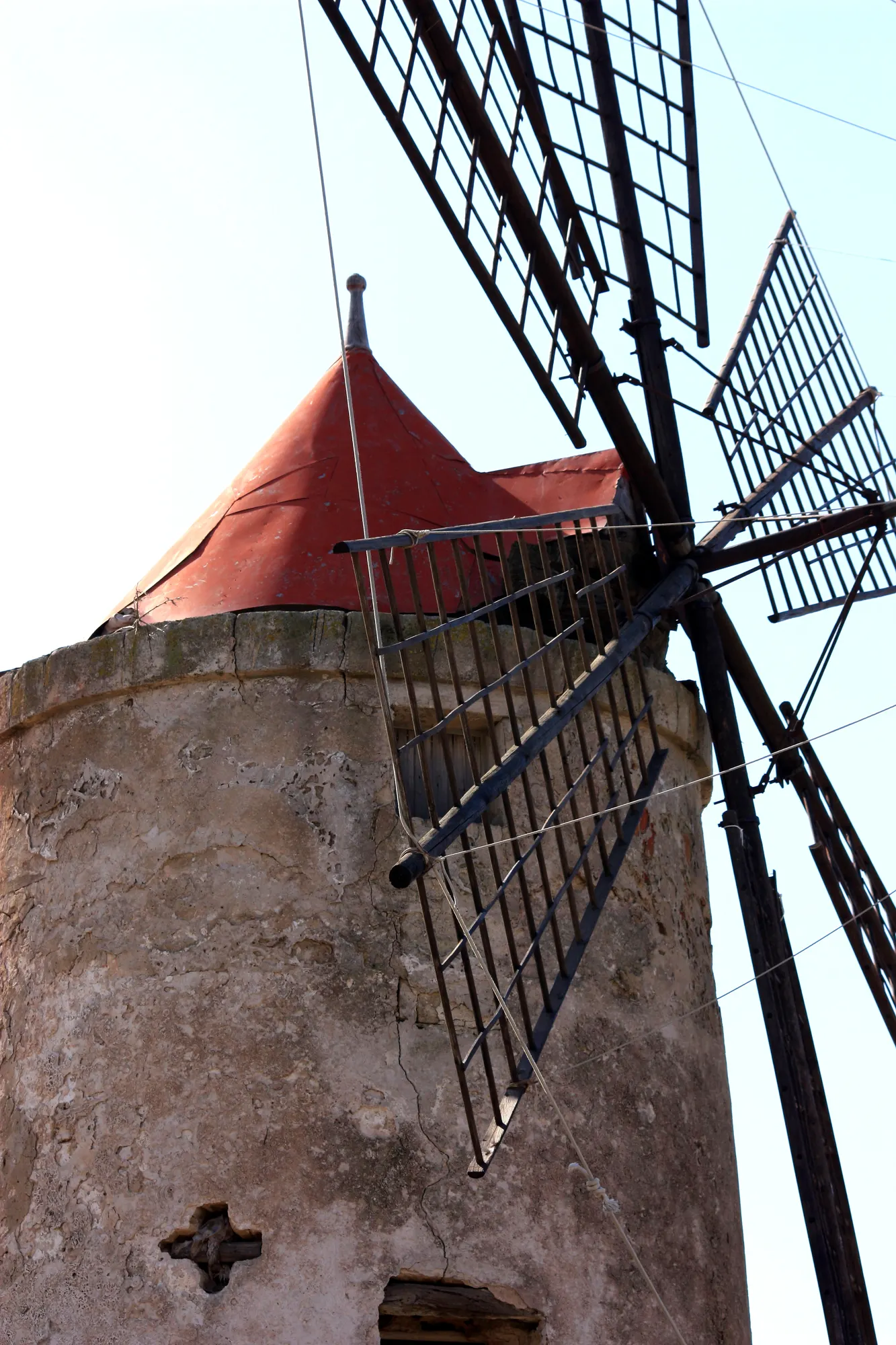
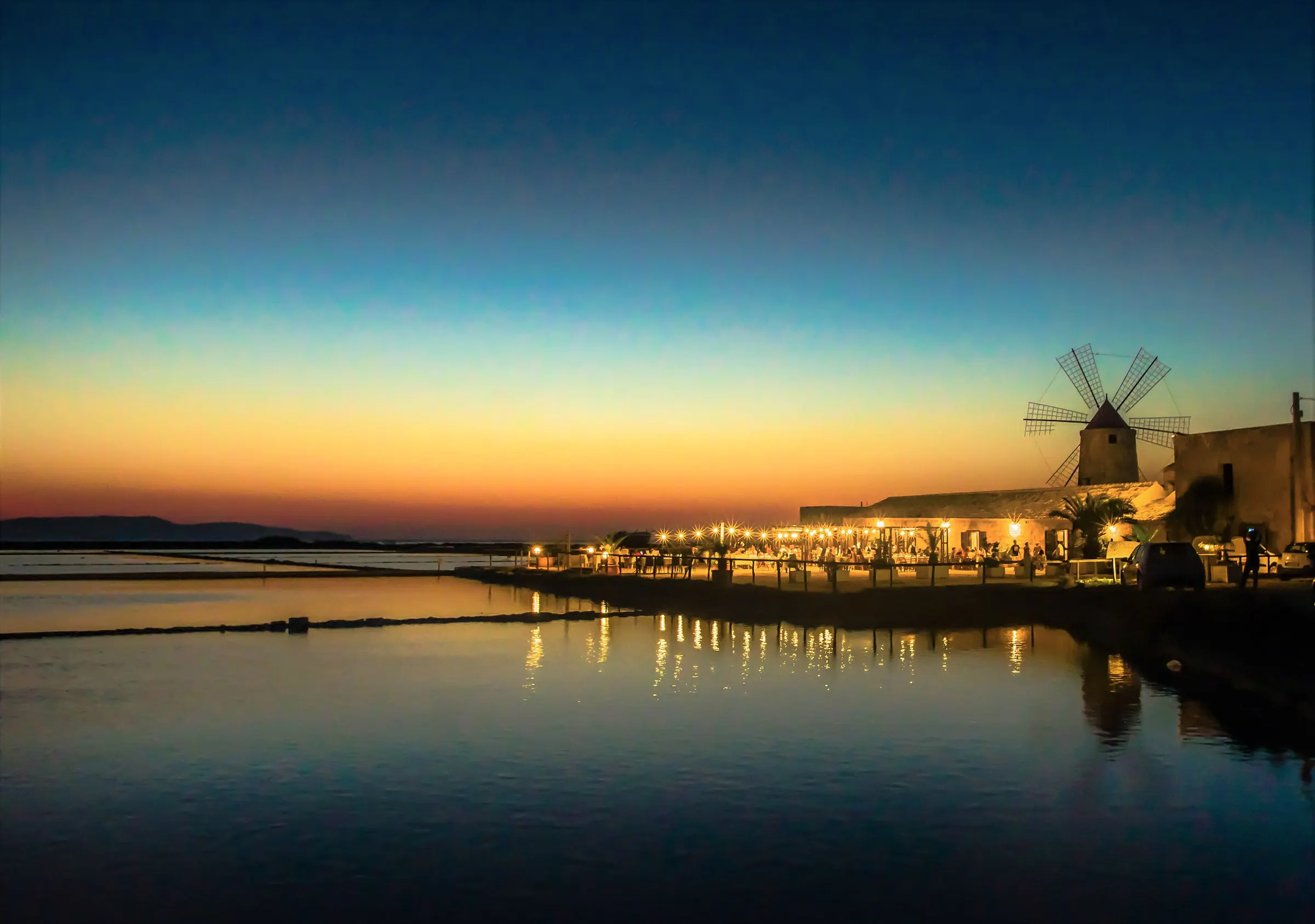
Photos via Wikimedia Commons: Bubici Paolo (CC BY-SA 4.0), Angelo Petrozza (CC BY-SA 4.0), Pirpiowiky giuseppe di giorgio (CC BY-SA 3.0), Angelo Petrozza (CC BY-SA 4.0), tato grasso (CC BY-SA 3.0). Resized, cropped and converted to WebP.

.jpg)


_0012.JPG)
Practical information
- Duration
- 3 hours, door to door
- Departure
- 08:30
- Meeting point
- Piazza Garibaldi, Trapani · hotel pickup for groups
- From
- €97 per vehicle for 1–4 guests · €117 for 5–8 guests
- Group
- Private — your party only, up to 8 guests
- Best for
- History, nature, sunsets and good food
- Combines with
- Erice, Segesta
- Available
- All year, except Italian national holidays
- Languages
- English, French
- Licensed guide
- On request
- Payment
- Cash, card, payment link or bank transfer
- Cancellation
- Free up to 48 h before · 50% within 48 h · 100% within 24 h
Included
- Private driver
- Waiting time during the visit
- Water on board
Not included
- Entrance tickets
- Road tolls
- Detours and extra stops
Why book it privately
Close to town, easy to fit in
The salt pans are close enough to Trapani to fit into a morning, or to pair with Erice on the mountain above them. Going privately means you stop where you want to stop along the banks, and stay as long as the place holds you.
You travel with your own driver and nobody else on board. The route, the pace and how the day is put together are agreed with you in advance, and can be adjusted while you are there.
From Trapani
More private experiences
Segesta
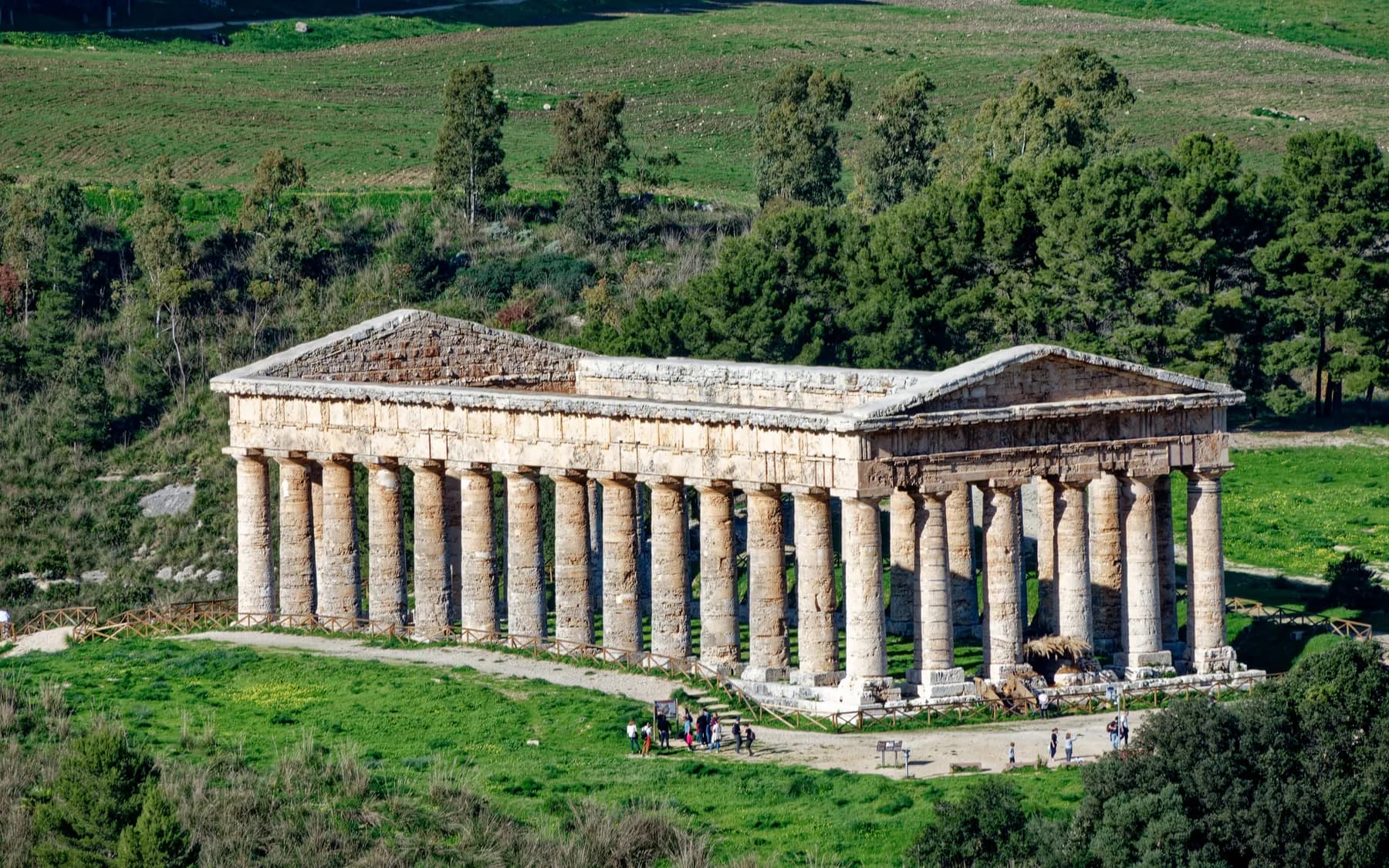
A Doric temple standing alone in open countryside, never finished, and a Greek theatre cut into the hill above it looking out over the valley. Few sites in Sicily are this quiet.
Marsala & Salt Pans
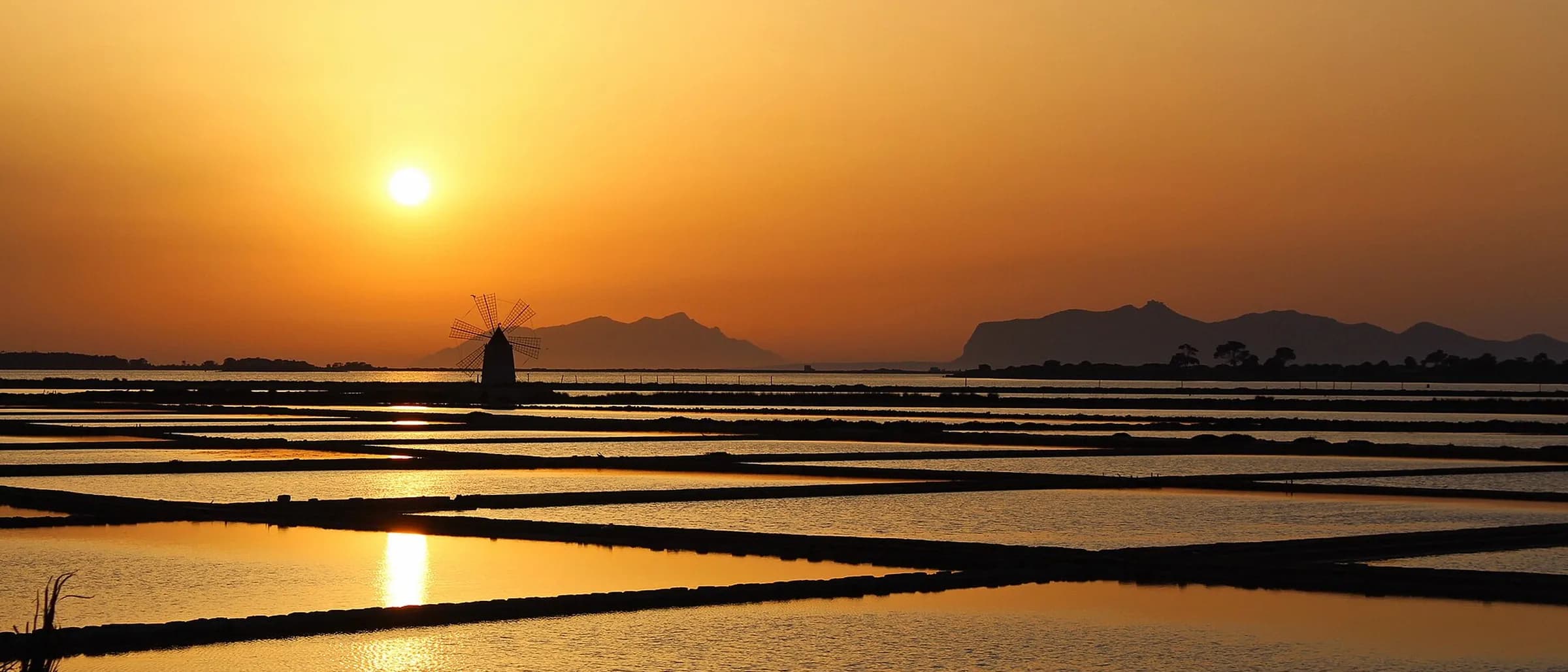
Shallow pans, windmills and salt heaped under terracotta tiles along the Stagnone lagoon — and behind it the town that gave its name to the wine.
Mazara del Vallo
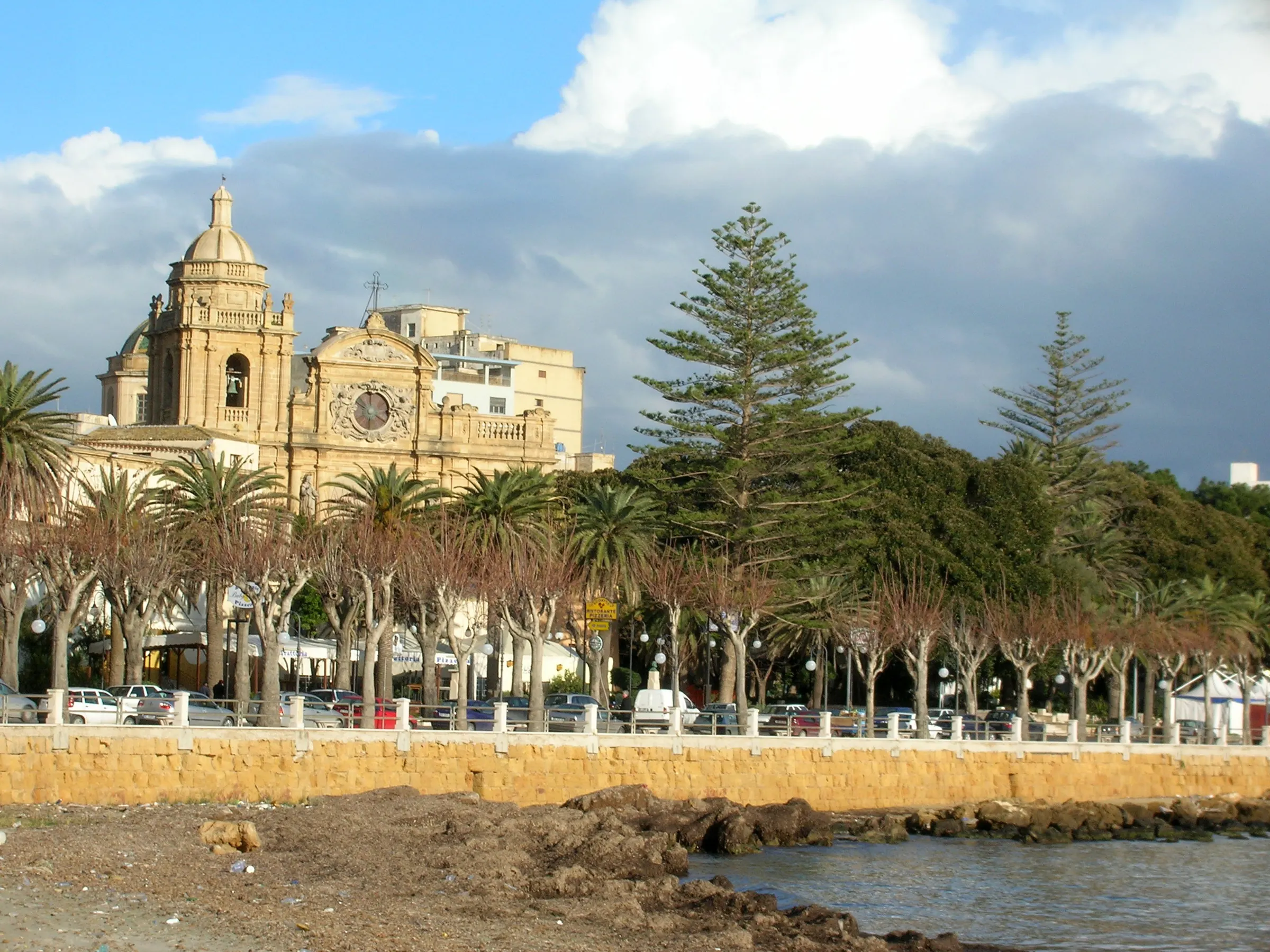
A fishing port with an Arab-era Kasbah of tiled alleys, and a Greek bronze satyr brought up from the seabed by its fishermen.
Plan your visit to the salt pans
Send your dates and we will come back with a proposal for the day — no deposit to start the conversation.